The destructive power of the Anthropocene
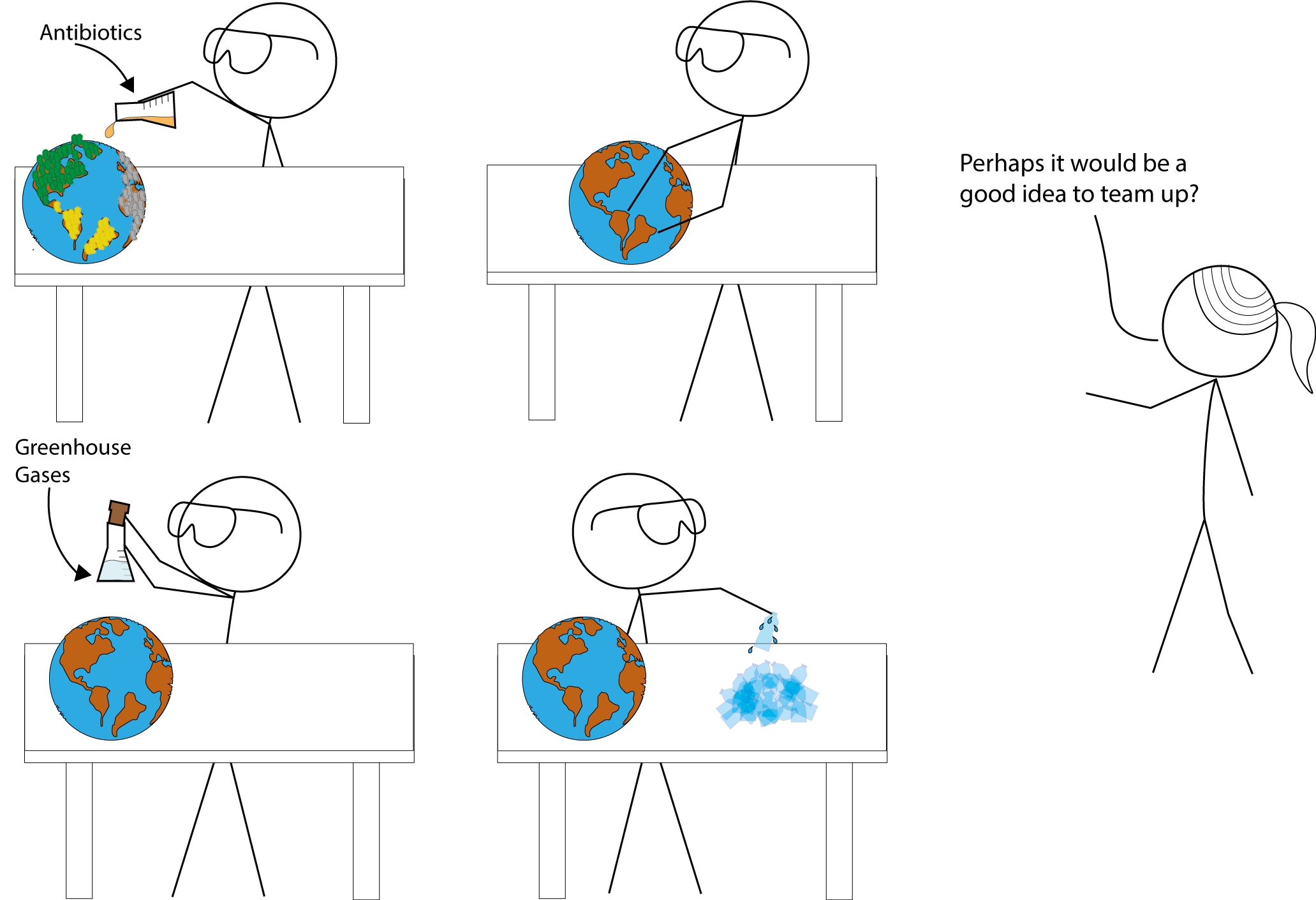
We live in the Anthropocene – and the Earth can feel it. Human-made climate change, plastic pollution, the human-driven spread of antibiotic resistance and the sealing of green spaces are only a few examples that may suggest humanity is testing the limits of its planet.
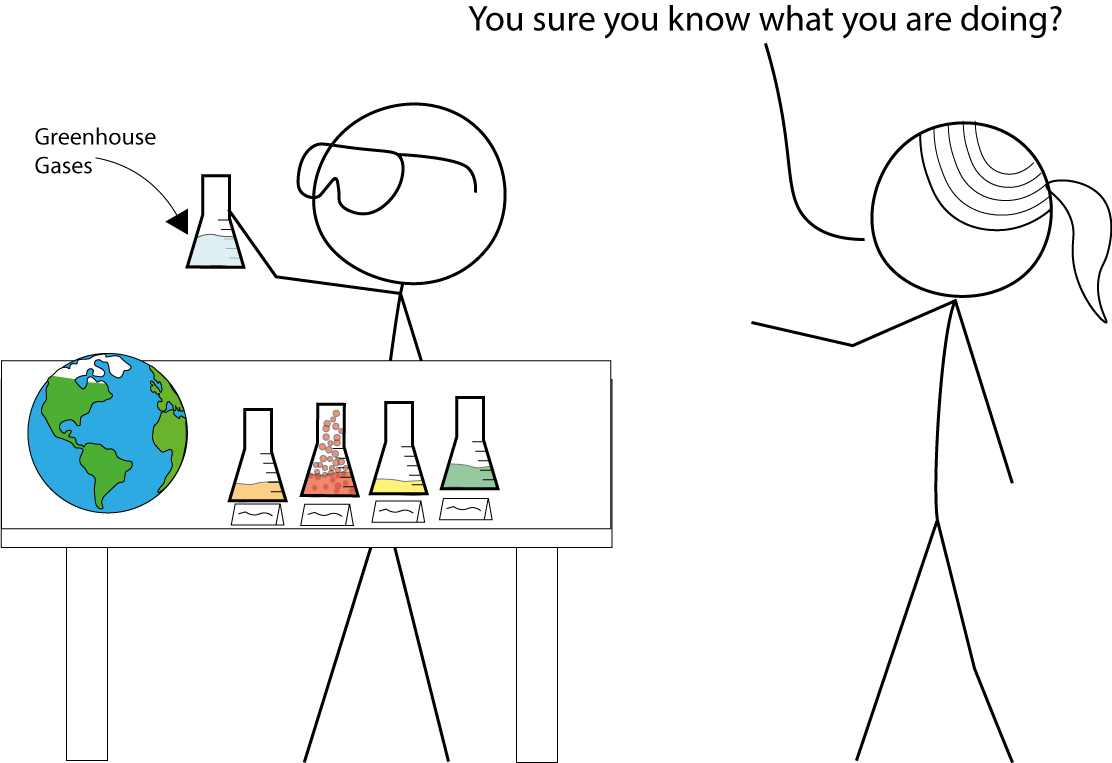
The consequences of our actions have received increasing attention in recent years, especially as we are already beginning to experience some effects of climate change ourselves. Scientists have long warned that greenhouse-gas emissions, deforestation and urbanisation are heating the global climate; that microplastics barely degrade in nature and ultimately return through our food chain; and that multidrug-resistant superbugs are threatening to make our antibiotics ineffective.
Bad news rarely travels alone: these processes are closely connected and can reinforce one another in a vicious cycle.
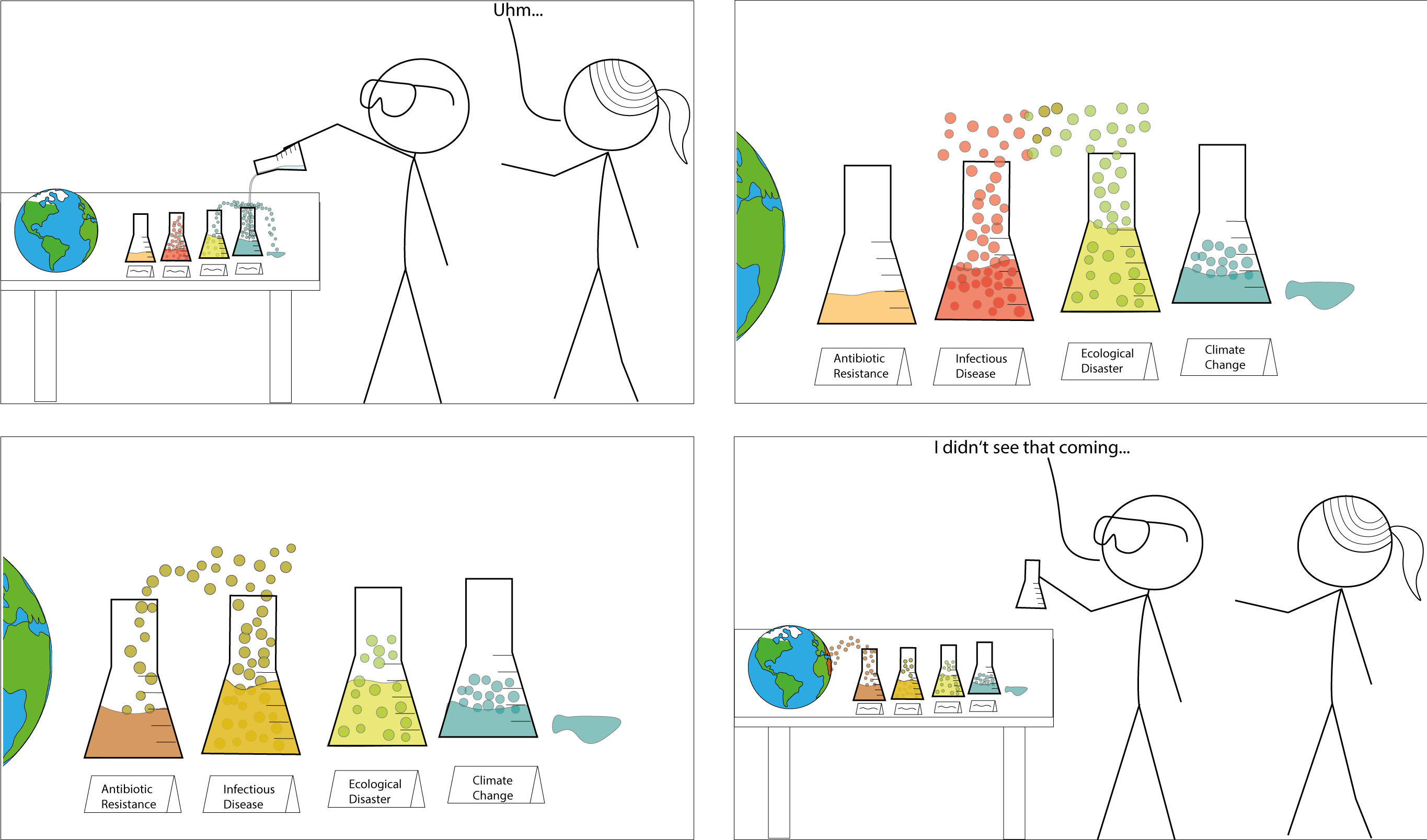
While climate change is quite literally making humans sweat, some other inhabitants – including disease-causing microorganisms – may benefit from rising temperatures.
For risks and side effects, consider climate change
Climate change is already a major challenge in its own right. Even as societies slowly begin to rethink their choices, the Paris Agreement aims to limit global warming to 1.5 °C – provided its targets are met. Many reports have described what even a few degrees of warming could mean. A further concern is receiving more attention too: the connection between climate change and antibiotic resistance.
One reason is that horizontal gene transfer – an important route by which antibiotic-resistance genes spread – can occur more frequently at higher temperatures. Microorganisms also tend to reproduce faster when conditions become warmer. This is particularly relevant for pathogens that are adapted to grow at human body temperature. Several studies have furthermore reported associations between higher temperatures and increased rates of infection with bacterial pathogens.
Extreme events and their far-reaching consequences
The climatic changes our planet is experiencing do more than raise average temperatures: they also make some extreme events more frequent or severe. Beyond the direct consequences of droughts and floods, these events can contribute to the spread of antibiotic resistance. Nitrogen fertilisers, for example, are known to influence microbial communities and may favour resistant bacteria under certain conditions.
More frequent flooding can carry fertilisers from agricultural land into rivers and previously unaffected areas. Sanitation systems – especially where infrastructure is already fragile – can also be damaged by extreme events. Untreated wastewater, a well-known reservoir of antibiotic-resistant bacteria and resistance genes, may then enter the environment.
Infectious diseases on the rise?
Rising temperatures are expected to change where certain infectious diseases can occur, allowing vectors such as mosquitoes and ticks to reach regions that were previously too cool. At the same time, climate change increases drought in some places. Mycobacterium tuberculosis, the bacterium that causes tuberculosis, has for example been reported to tolerate some antibiotics better under conditions of reduced humidity.
A particularly troubling scenario connects plastic pollution, climate change and antibiotic resistance. Microplastics occur across the globe and can provide surfaces on which bacteria form dense communities and exchange genetic material. If pathogens such as Vibrio cholerae join these communities, warmer conditions may facilitate both bacterial growth and horizontal gene transfer. Together, these processes could increase the risk of outbreaks caused by bacteria that are more difficult to treat.
The moral of the story
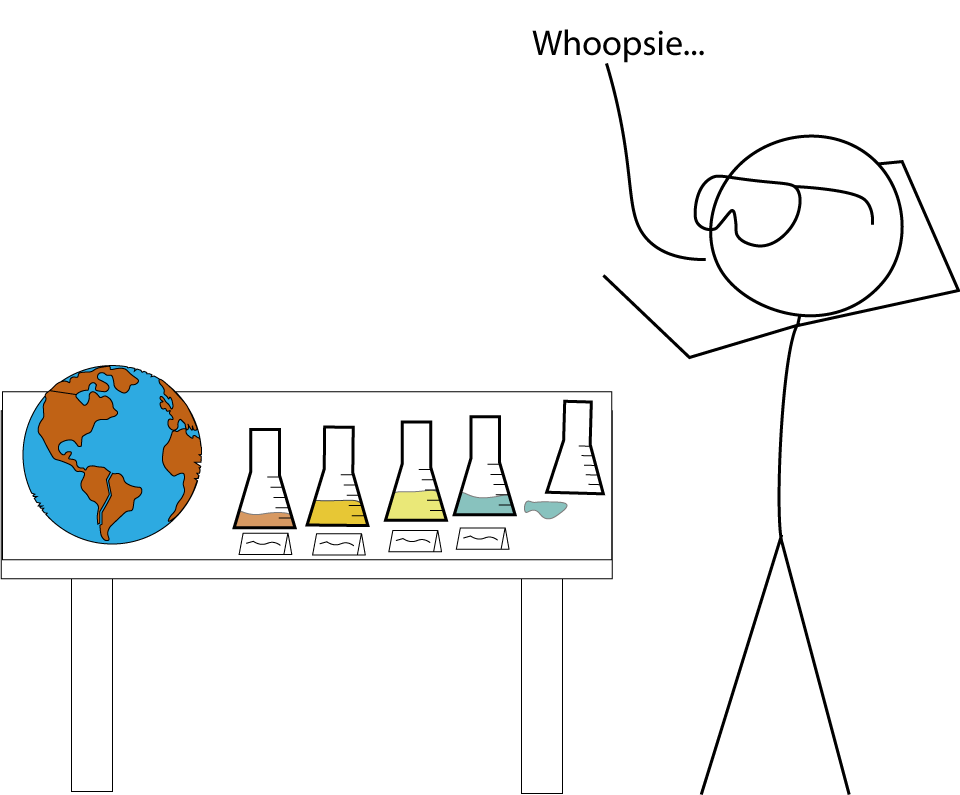
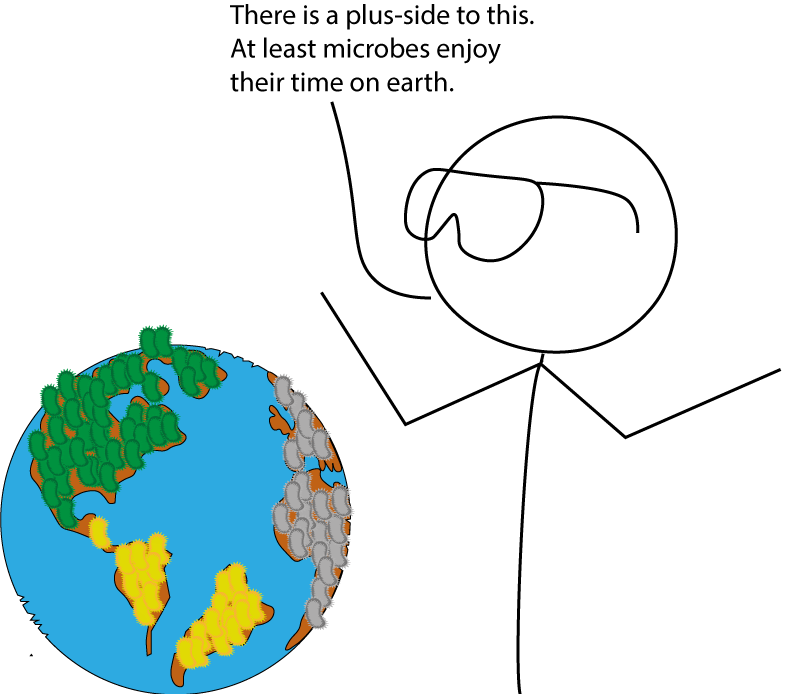
Global processes are interconnected, and human-made changes are no exception. Climate change, pollution and antibiotic resistance should therefore not be considered in isolation. Their causes and consequences require coordinated action from politics, science and society. Nature contains many interacting systems; addressing several causes at once is more effective than constantly trying to catch up with an ever-growing list of symptoms.