Finding a needle in a haystack
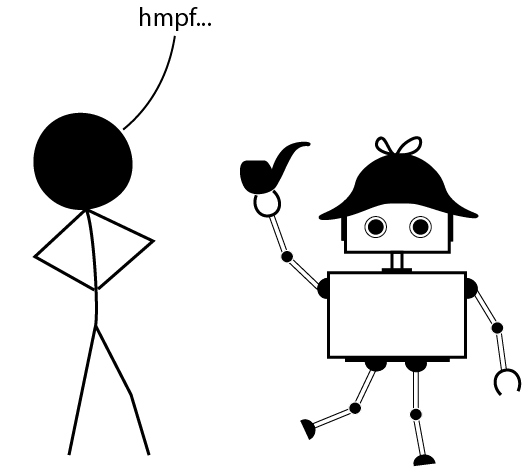
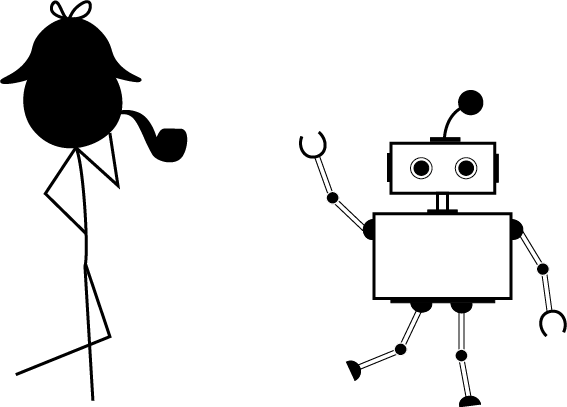
Discovering new antibiotics is slow, laborious, expensive and often unsuccessful. The reason is simple: traditional methods do not allow a quick search through every possible substance. It is detective work that demands patience and very good tools.

Classical screening often begins with microorganisms collected from the environment. That is already difficult because most environmental microbes do not grow readily under standard laboratory conditions. If a new microorganism can be cultured, scientists test it or its metabolic products against other bacteria. A clear zone in the bacterial lawn indicates antimicrobial activity – but all too often the substance turns out to be one that is already known.
A more modern approach: databases
A more modern strategy searches databases for molecular structures that resemble known antibiotics. The drawback? There are many databases containing an enormous number of chemical structures. A process that sounds simple can still take years.
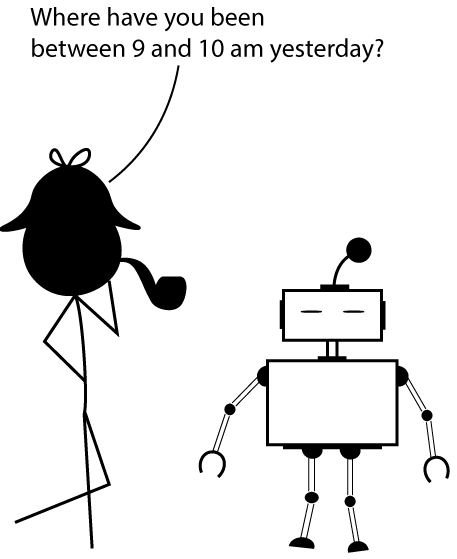
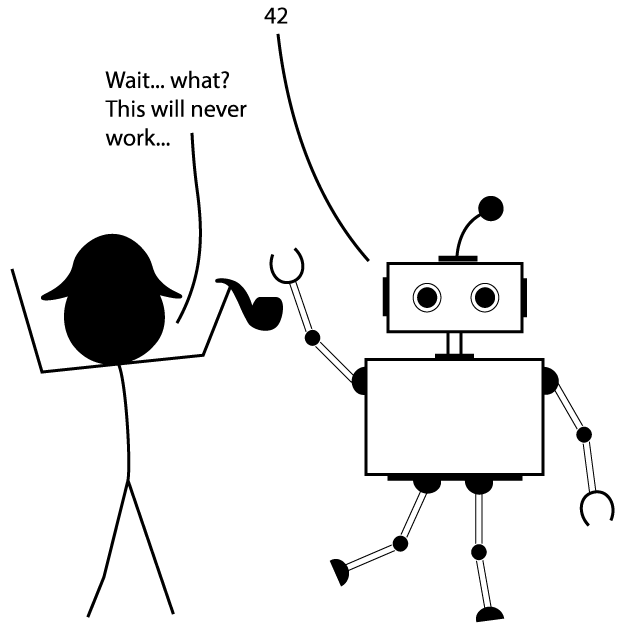
Focus, Sherlock.

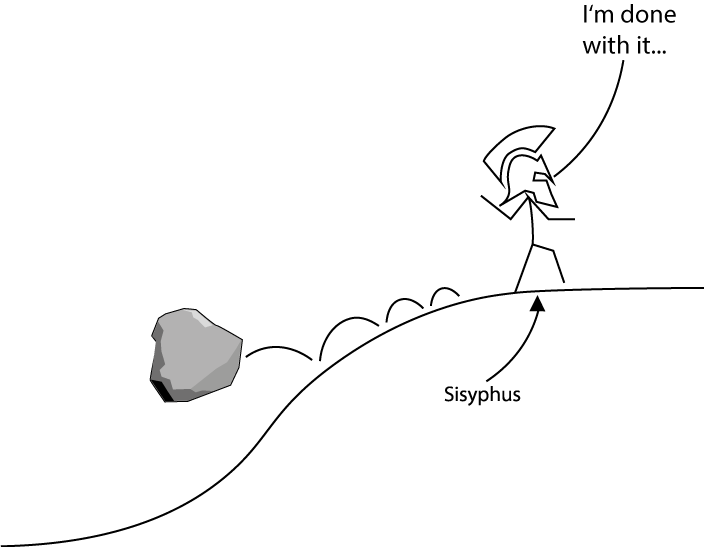
Even the few promising substances that remain must still prove their effectiveness. Researchers must then investigate toxicity, side effects and whether a candidate can work safely in a patient. Sisyphus would understand the feeling.
New antibiotics through artificial intelligence
Computers and artificial intelligence have long helped us solve problems that exceed our own ability to process data. Why not let a machine help with the search for antibiotics?
A team of computer scientists and biologists trained a model using around 2,000 compounds with known antibacterial activity. Once the system had learned to distinguish promising structures from inactive ones, it screened roughly 11,000 compounds and reduced them to a much smaller group of candidates for laboratory testing. Imagine how much time that search would have cost a person or even a whole research team.
The result: Halicin
One of the candidates was Halicin, a compound originally investigated as a diabetes medicine. That attempt failed, but the molecule received a second chance as a potential antibiotic. Laboratory experiments and mouse studies showed bactericidal activity against several important pathogens, including a multidrug-resistant strain of Acinetobacter baumannii.
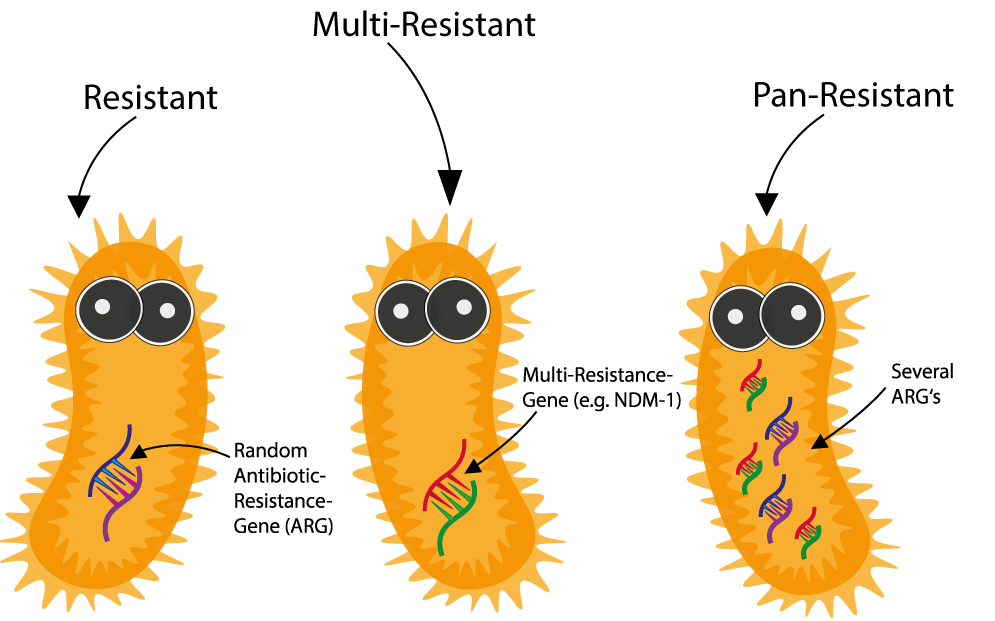
Halicin is also interesting because its mode of action differs from that of many established antibiotics. It disrupts the electrochemical gradient across the bacterial membrane, which bacteria need for energy production. In the original experiments, resistance to Halicin was difficult to generate under the tested laboratory conditions. That does not make resistance impossible, but it makes the compound an especially interesting research candidate.
Artificial intelligence as part of the solution
AI-assisted antibiotic discovery is no longer science fiction. It does not solve the resistance crisis on its own, and every candidate still requires extensive experimental and clinical testing. But computational screening can make the first search faster and more efficient. A better cost-benefit ratio could also encourage renewed investment in antibacterial drug development.
Time to hand over the hat, Sherlock.