About microplastics — sources and facts

What size are microplastics?
Together with Covid-19, there is one more topic dominating public media. No, we are not talking about climate change — we are talking about microplastics. How often did you hear about microplastic pollution? Sounds familiar? Well, then think about how often did someone explain to you what microplastic sources are, what size these particles have, and how it is defined?
If you experienced it as we did, you probably have heard of this microplastic problem a lot, without really getting a clue of what exactly everyone is talking about. In general, microplastics are basically plastic particles of a size smaller than 5 mm.
However, we are much more familiar with these synthetic materials in bigger sizes — namely macroplastic. The latest parcel from Amazon, our food packaging, the chair your sitting in right now: all very likely contain plastics. The reason for that is quick to be found. This synthetic material is flexible, processable, unbreakable, and (very important) cheap.
However, there is always a downside and plastic is no exception. Apart from its appealing characteristics, it is bad for the environment. Especially since it is not really degradable and therefore persists for uncountable years. Your great-great-great-great-great-great-great-great grandson or granddaughter may very likely find the plastic bag you bury today (don’t try it out!).
Microplastic sources
Let’s talk about the sources of microplastic pollution. Like already mentioned, plastic is surrounding us everywhere. Therefore, it is not surprising, that human activities are the main cause for the pollution of the environment with microplastic. Tire wear particles, synthetic clothing, particulates, and cosmetic products are just some examples of anthropogenic microplastic sources. While these pollutants are generally considered primary microplastic, secondary plastic shouldn’t be neglected. These emerge through constant abrasion of macroplastic (like plastic bags) that has found its way into the environment.
Primary and secondary microplastics have two things in common. 1. they are persistent. 2. they are caused by our actions. However, we should keep in mind that taking care of plastic bags and our trash will not solve the problem. The biggest and most underestimated microplastic source from ashore are… cars! The fishing industry is also an undervalued source for plastic pollution, with its fishing nets of synthetic fibers being a massive pollutant in seas and oceans.
Plastic waste — the ugly truth
Thanks to the Anthropocene, microplastics are everywhere.
Especially oceans are heavily impacted as reported by several scientific studies. Even earths most remote region — the antarctic — is no safe-heaven as microplastic already entered the respective food chain (Bergami et al. 2020). Reports from all over the world report of plastic pollution in soils, freshwater, and even precipitation!

While we often feel privileged, and perhaps even innocent, as we believe most of the plastic we use gets upcycled — the truth is much more inconvenient. Many countries (including the EU) ship containers of plastic trash to emerging countries (e.g. 70 % of the US plastic trash is shipped to countries like Bangladesh, Laos, Ethiopia, and Senegal). These countries’ low capacity of processing all the waste does lead to heavy plastic pollution.
However, things are even worse than they seem. Not only are microplastic particles a problem themselves, as many plastics contain (environmental) contaminants in high concentrations. Apart from potentially toxic substances, some of these contaminants on microplastics are microorganisms. The biofilm-promoting properties of microplastics are reportedly enhancing the emergence and spread of antibiotic resistance.
Why action against microplastic pollution is required now!
Since we answered the question on the sources of microplastics, we still need to discuss why it is necessary for our environment and us to stop this pollution. Apart from pictures of sea dwellers dying in agony because of plastic pollutants, the following numbers may be kind of a motivation for everyone. By breathing air, 68 415 microplastic particles are inhaled every year by a single person. Add 90 000 particles of plastic to this if you’re drinking out of plastic bottles, and 4 000 if you are lucky enough to have access to drinking water from the tap. Things don’t stop here, and we can only estimate how many additional particles a single individual takes up through the consumption of groceries like honey, beer, mussels, (sea-)salt, and so on… you are what you eat!
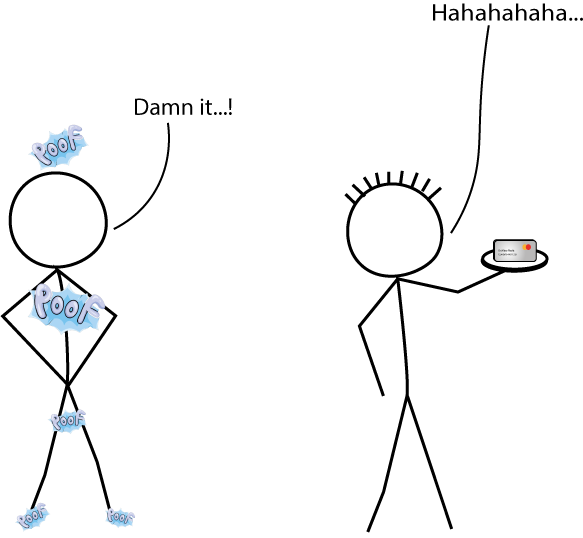
However, scientists calculated that an average human eats as much as a whole credit card — a week!

Well…