Science communication – knowledge for everyone?
Science communication
A whole blog post about science communication – effectively, a post about the posts on this website.

Admittedly, there are more creative premises. But there are more reasons for this article than may be obvious at first glance – or at least that is what I tell myself.
Science communication is important, even indispensable, and communicating beyond academia should really be part of a scientist's job. If only the word ‘should’ did not carry so much weight.
Reality often looks different. Communication beyond the scientific community is frequently pushed to the bottom of the list – for reasons that are understandable, even if the result is not ideal.
But let us start at the beginning.
Why communicate science at all?
In this article, science communication does not mean papers written for specialist journals or talks at academic conferences. It means communication with everyone who has not devoted their entire life to research – which, as rumour has it, is quite a large group.
‘Knowledge is for everyone’ may sound idealistic, but a little idealism would not hurt. Knowledge should be accessible regardless of a person's background, income, gender or formal education. After all, science is meant to improve the common good, directly or indirectly. How can it improve life for everyone if most people never hear about it?
That goal may sound perfectionist or even unrealistic, and not every piece of research is relevant to every person. But people should at least have the opportunity to decide for themselves which research matters to them.
Is science communication in crisis?
Science communication is not truly in crisis; if anything, it is gaining momentum. So why write this article? Because moving in the right direction does not mean that everything is already working well.
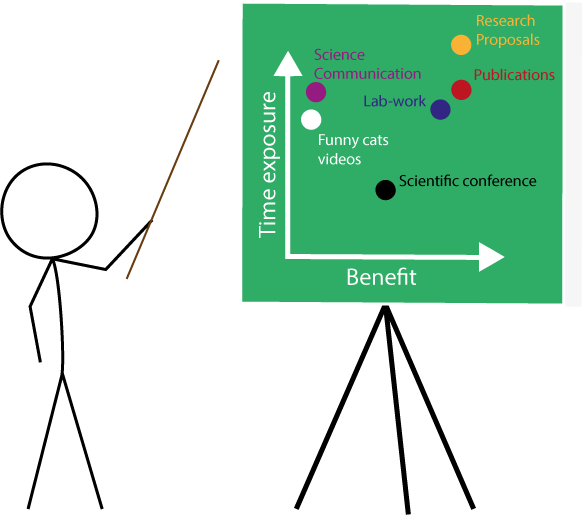
Here is an honest view from a researcher: preparing scientific results for a broad audience requires something that is extremely valuable in science – time. Einstein may have taught us that time is relative, but deadlines rarely behave as if they know his theory.
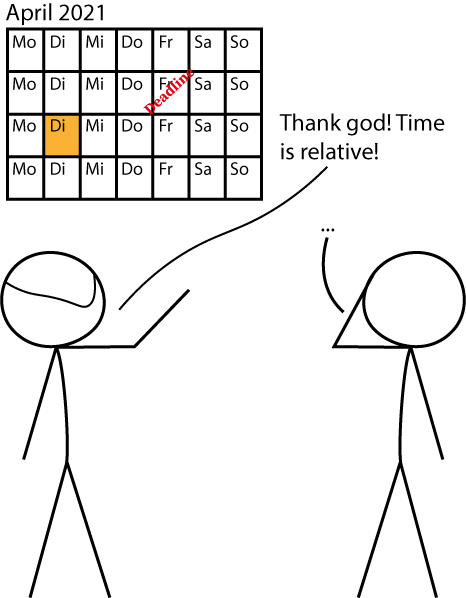
Research is full of deadlines: experiments, fieldwork, manuscripts, grant proposals and much more. Public communication is therefore often deprioritised. Why is it so low on the list? Because academic systems rarely reward it. This is not to say that scientists should communicate only for money or recognition, but public outreach usually offers little career benefit. Be honest: at work, would you not also focus first on the tasks that most clearly advance your career?
Less jargon, clearer communication
One thing scientists are exceptionally good at is using technical terms until nobody outside their field understands what they are saying. Perhaps we become so accustomed to specialist language that it is difficult to step away from it. We also fear losing information, even when much of that detail is irrelevant to a non-specialist audience.
Clear communication is also difficult because it receives little attention during scientific training. Teaching early-career researchers how to communicate with different audiences would be a useful first step towards lasting improvement.
Publish or perish – a threat to science communication?
‘Publish or perish’ has become a kind of academic dogma: publish regularly, preferably in prestigious journals, or risk disappearing from view. Publications are tied to career progression and future research funding, which in turn creates pressure to publish even more. And so the cycle continues.

Much research is publicly funded – in other words, taxpayers finance it. Yet when results appear in a prestigious journal, non-scientists may have to pay again for access to the article. The public pays for the research and then pays to learn what the research found. That is difficult to justify.
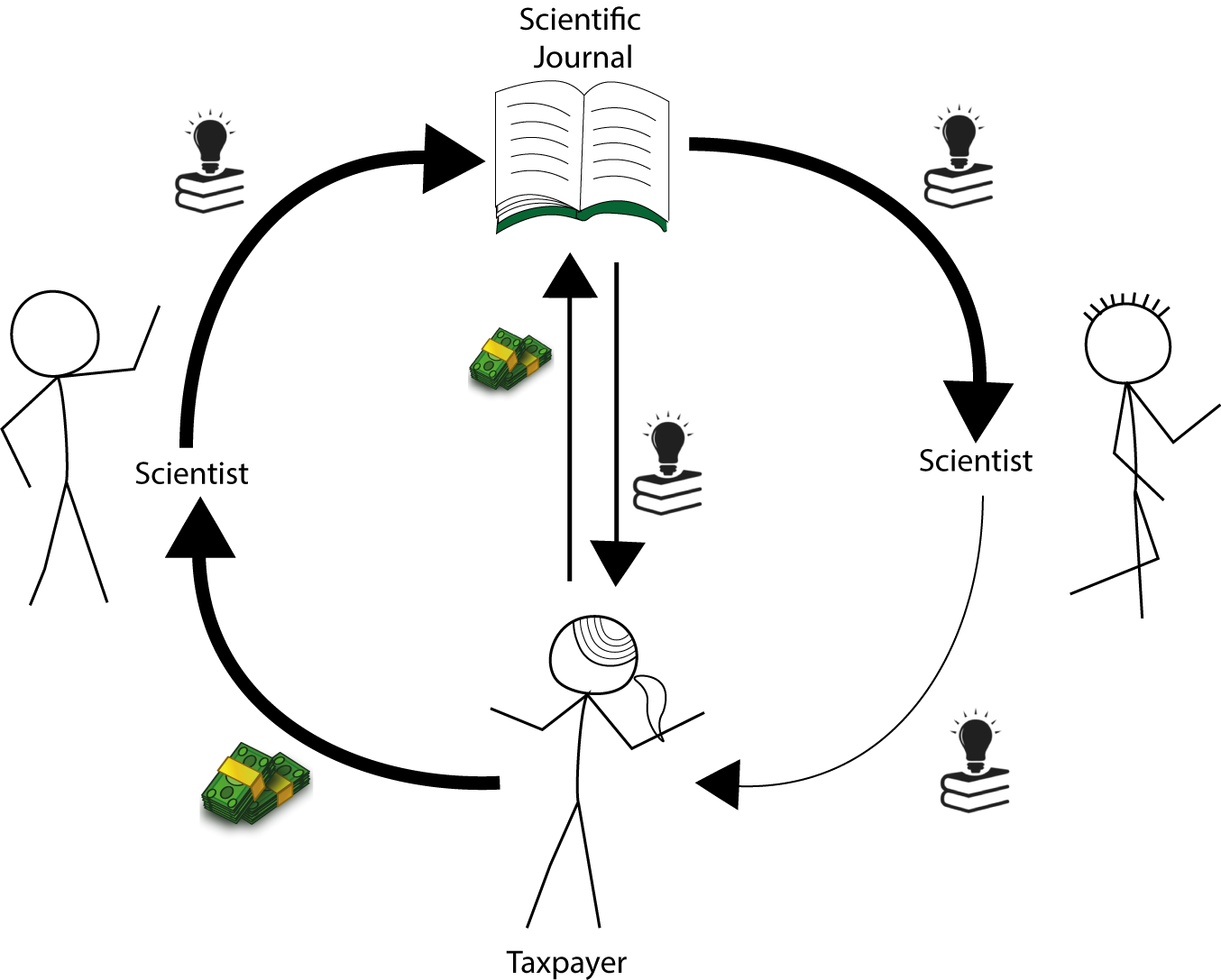
Open access offers an alternative, but in many academic fields it may still appear less valuable for a career than publishing in a famous subscription journal.
The most reliable winners in this system are often the large academic publishers.
Is everything really bad?
No. Journalists and news organisations work hard to bring research to the public, even if the quality varies between outlets. That provides an important foundation. But the volume of published research exceeds what journalism can cover, so researchers must also help carry science into the world. Some do this themselves – as we do with this blog – while many others still need time, training and encouragement. Lasting progress will require broader changes, especially greater recognition for public-facing science communication.