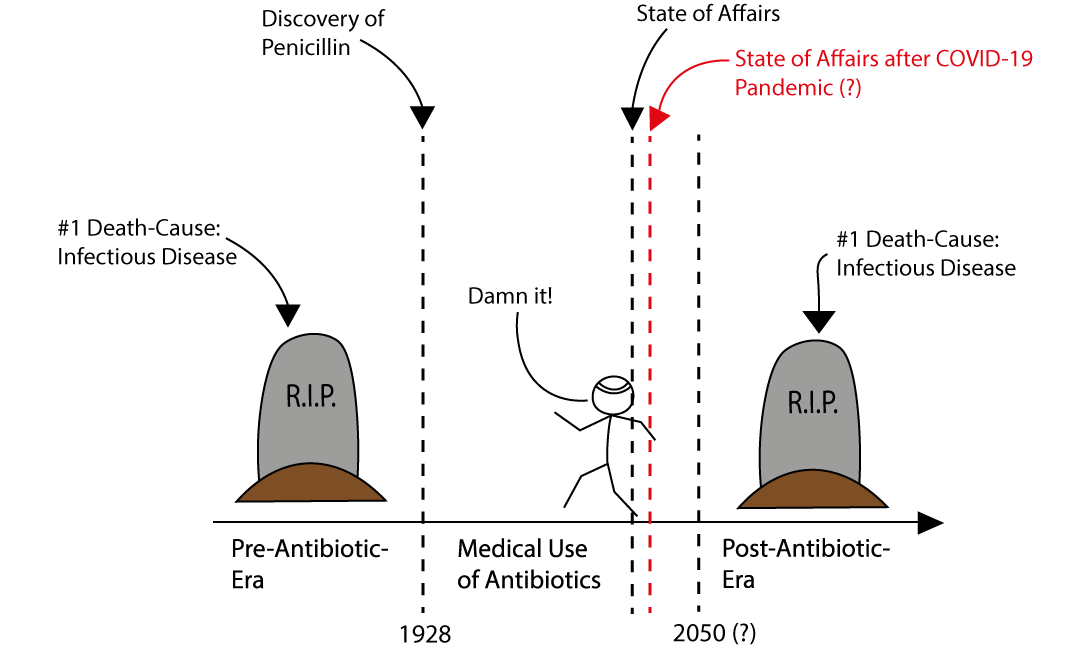
About pandemics and forgotten topics
While the current COVID-19 pandemic is still ongoing, other worldwide problems take a backseat. Besides the obvious following psychosocial and economic effects of this global health crisis, scientists urge not to delay climate-change-related topics. However, one of the biggest global threats of the 21st century — antibiotic resistance — is getting ignored completely during the chaotic times right now, besides the bacteria doing everything they can to get the attention they deserve.
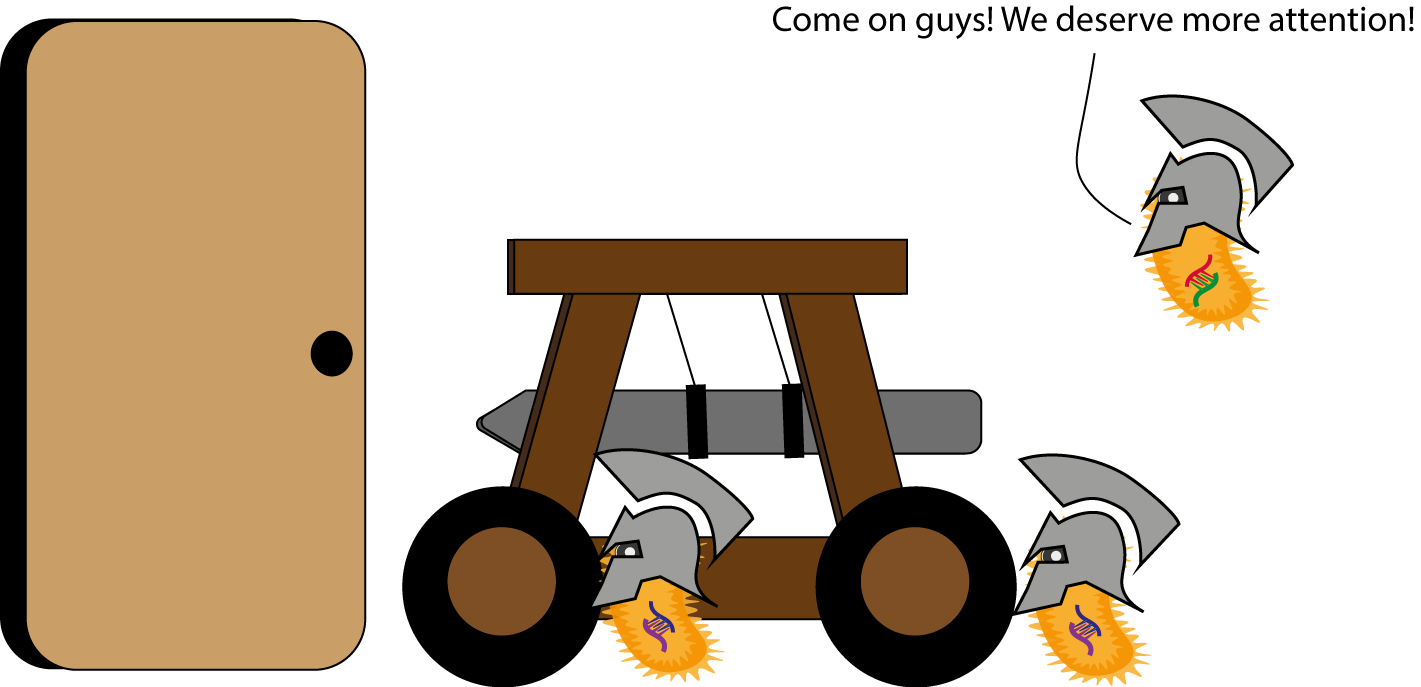
Antibiotic resistance is known to be on the rise for many centuries now and while many of our medications start to become ineffective, superbugs rise and start to become a real threat by causing incurable infectious diseases. For some reason, we still assume that the exceptional situation we’re in, causes the bacteria to pause their evolution and let us handle one problem at a time.
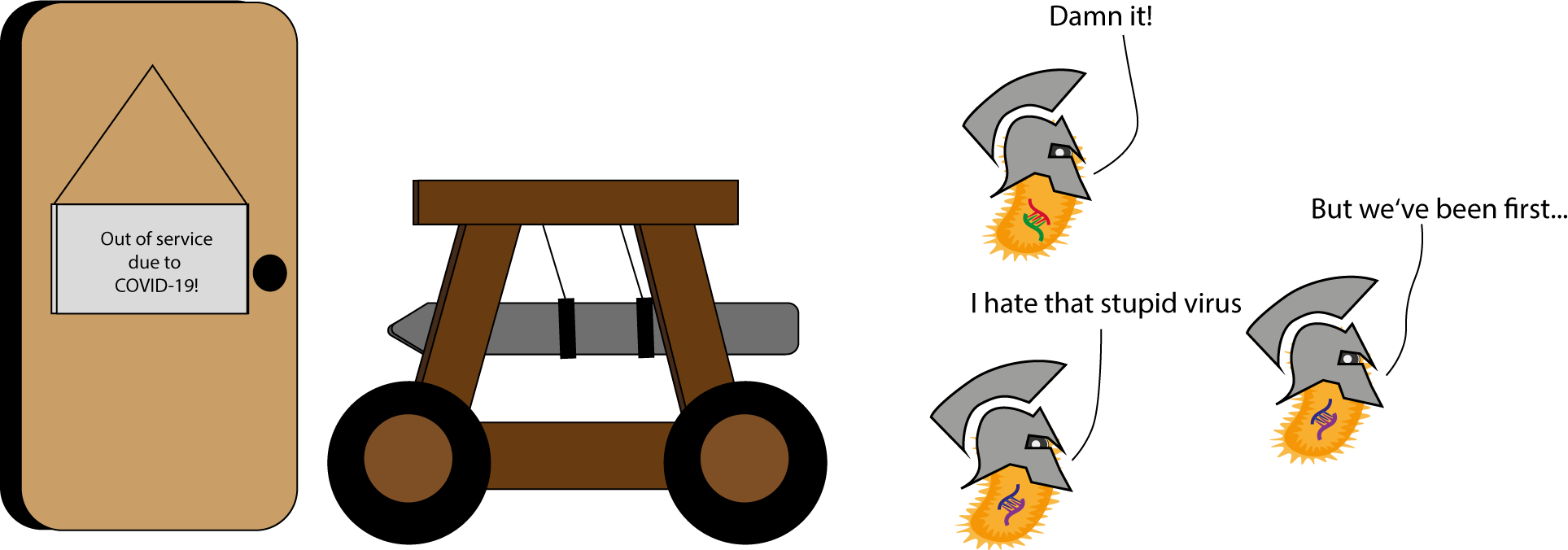
According to the ECDC, 33 000 people within the European Union die every year due to infections caused by antibiotic-resistant pathogens — and the years with COVID-19 are not really an exception.
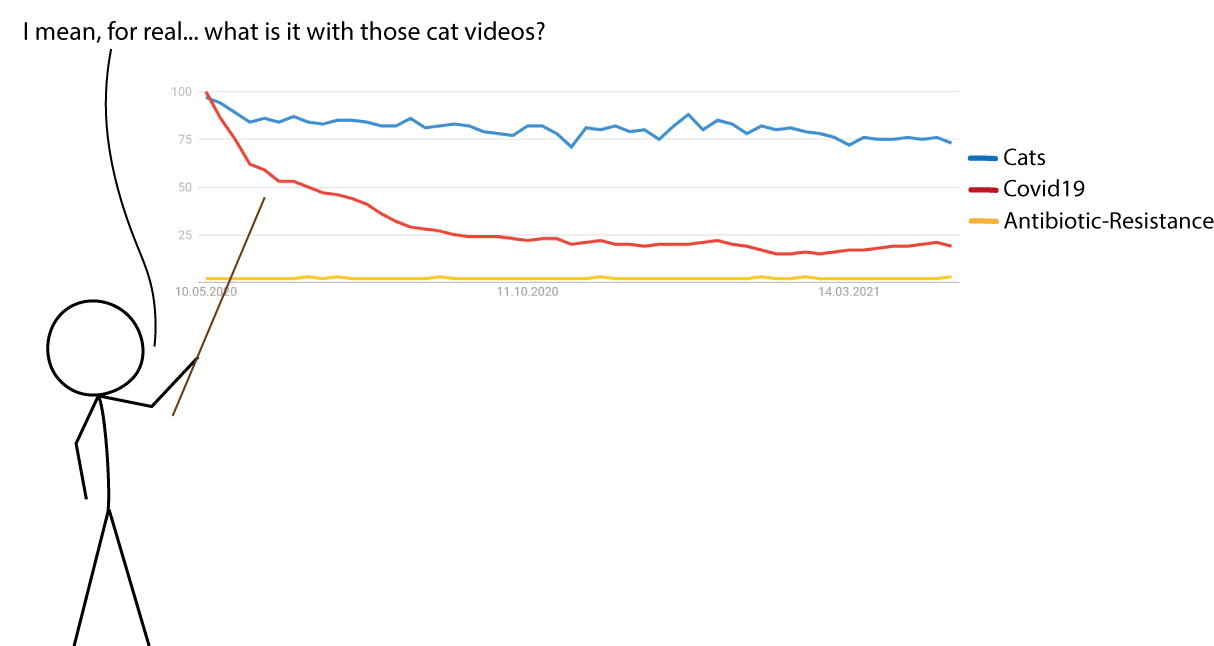
Except for one thing: More antibiotics than before are prescribed as a precaution during the current pandemic. However, the latest Google-Trends impressively show how unimpressed humans are by resistant bacteria.
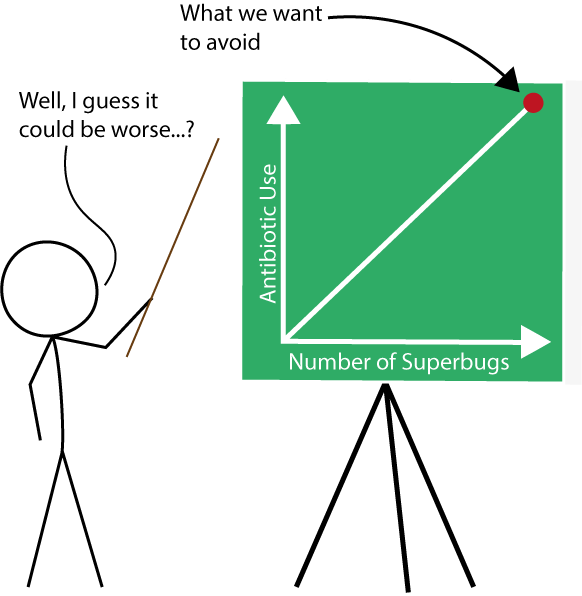
More antibiotic use = more antibiotic resistance
However, the calculation is pretty simple and can be done by undergraduates. More antibiotic therapy means antibiotic resistance will develop faster. And that again as a consequence results in more multi-resistant superbugs.
The current COVID-19 pandemic is thereby snarling things. As it is an unknown disease without existing effective medicine (at least in the beginning), medical and health care workers wanted to avoid additional complications through additional stressors. Stressors like bacterial superinfections. In other words — bacteria are infecting an already infected organism and therefore make use of the hosts’ immune system being weakened by fighting the initial disease.
To avoid these kinds of superinfections, antibiotics are prescribed as a precaution. According to a new study of the PEW Charitable Trust, 52 % of the due to COVID-19 hospitalized patients received antibiotics in the US. Additionally, in 36 % of these cases, several antibiotic therapies have been prescribed even though only 20 % of the patients actually had to deal with bacterial pneumonia. That again means that 80 % of the antibiotics were given without patients being infected by bacterial pathogens.
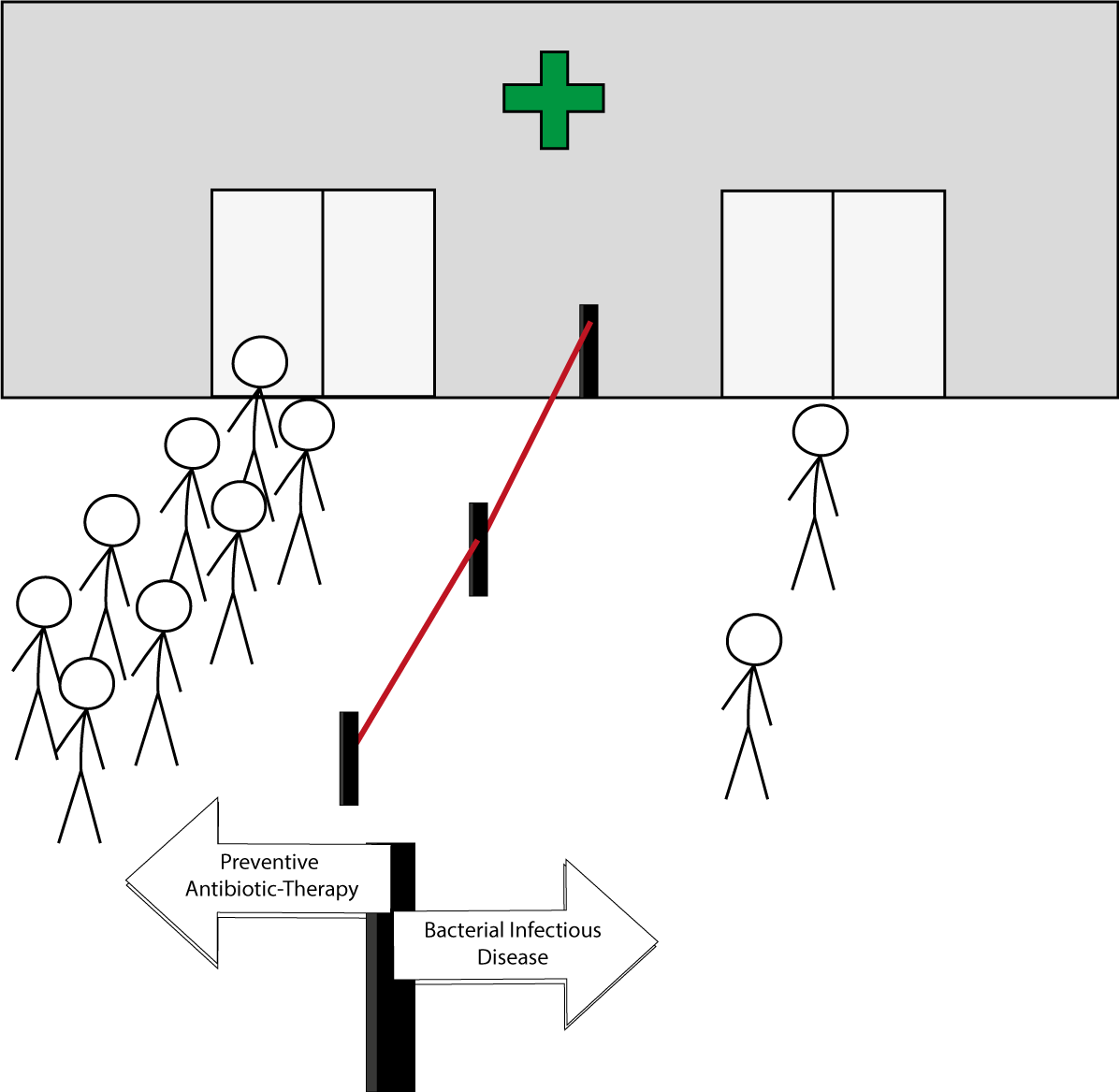
While it is obviously almost impossible to tell if the application of antimicrobial substances was necessary or not, and we can and will not judge from a distance, antibiotic therapies will very likely still cause consequences in the long run.
The COVID-19 pandemic: a new player in the game of antibiotic resistance
Even though so-called intrinsic resistances are responsible for numerous antibiotic resistances we know of today, the excessive use of antimicrobials is still a massive driver for the evolution of new antibiotic-resistant bugs. Already shortly after humans started using antibiotics to treat bacterial infections diseases, bacteria developed appropriate defensive mechanisms. While this again highlights how easy microbes can adapt, nature strikes back in form of superbugs. As a consequence, the WHO did come up with several recommendations to guarantee the effectiveness of existing antibiotics — including the reduction of antibiotic use… especially as a precaution.
However, the current COVID‑9 pandemic did cause us to discard all good intentions and recommendations. While this was to some extent understandable as especially at the start, this was a completely new disease and could hardly be distinguished from bacterial pneumonia, every action will be followed by a reaction. Yes, the problems in distinguishing pneumonia caused by bacteria or the coronavirus and the goal to avoid bacterial super infections might explain a lot of the antibiotic therapies discussed, however, nature certainly won’t care why we used antibiotics to a larger extent and react by developing more defensive strategies. That’s the evolutionary game.
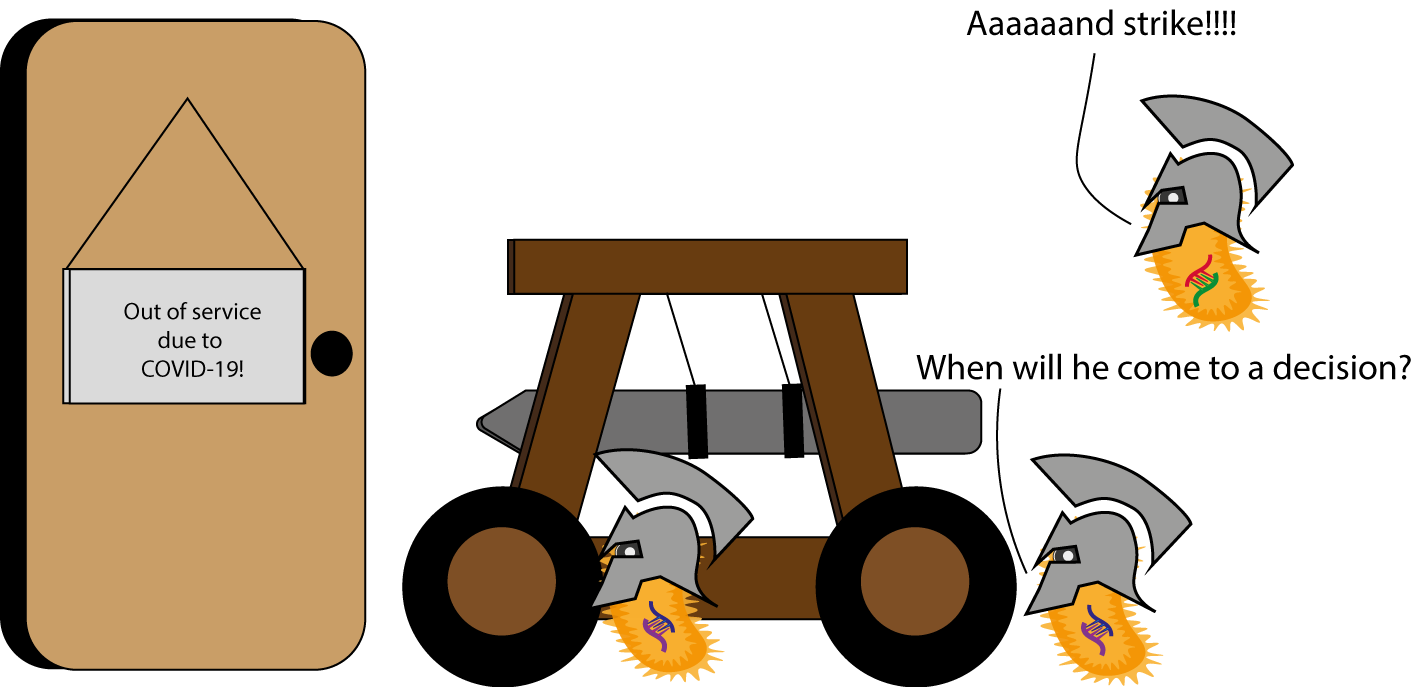
Of course, this doesn’t mean we will see a spike in resistant bacteria right away, but it will undoubtedly get us a tiny little closer to a post-antibiotic era.
The post-antibiotic era
Good news first: The ongoing COVID-19 pandemic is very likely not introducing us directly into a post-antibiotic era. It will also not be the main reason for it. Nevertheless, our dealing with antibiotics during these challenging times will very likely be the reason for the pandemic to add to the global problem of antibiotic resistance — especially if other countries pursued similar treatment approaches in the early stages.
However, a post-antibiotic era is no place where we want to end as to-date easy-to-treat bacterial infections could become life-threatening again. Still, the CVOID-19 pandemic did impressively show how quick we are at abandoning good intentions without thinking about long-term consequences. That way, we may have made COVID-19 a player in the war of us humans against antibiotic-resistant bacteria. And it looks like it is not an ally.